


by Prashanth Ashwathram
Making a business intelligence (BI) project successful is a daunting task in itself not just because of the...

by Prashanth Ashwathram
Making a business intelligence (BI) project successful is a daunting task in itself not just because of the complexity and tools involved, but because it requires cooperation from different functional groups, multiple source systems, and gaining user acceptance from groups of users that are often resistant to change.
The challenges add on further when the BI projects are planned to be executed in an onshore-offshore model. There are obviously many positives and benefits from this approach which can make this model a highly successful provided we follow some of the best practices.
by Ron Cruz
One of the challenges facing our clients is a disjointed landscape for their customer-facing business intelligence tools. This...
by Ron Cruz
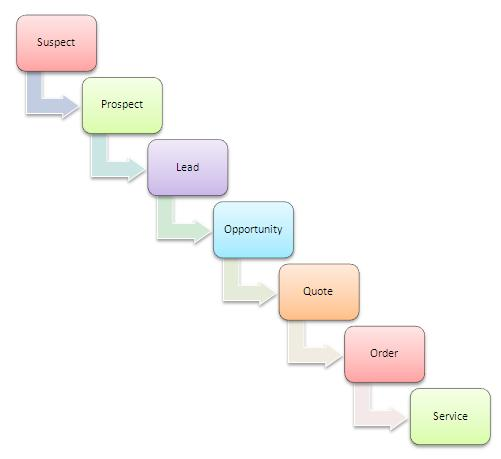
One of the challenges facing our clients is a disjointed landscape for their customer-facing business intelligence tools. This doesn’t happen in finance as everyone knows where the end product goes (CFO), nor does it happen much in product development. When it comes to customer analytics, many companies struggle with disjointed systems and difficulty getting the data they want. The sentence of, “I think we have that data….somewhere,” is often uttered at companies that have these issues.

by Parul Singh
The need for robust reporting and a structured enterprise data warehouse for educational institutions is becoming a...
by Parul Singh
The need for robust reporting and a structured enterprise data warehouse for educational institutions is becoming a necessity. This type of modern architecture empowers academic institutions with best-in-class reporting and analytic capabilities to increase faculty, staff and student productivity; streamline operations and institutional advancement; and ensure student success.
There are a few key star schemas that can aid universities and their stakeholders to make informed decisions and deliver a better student experience:

by Madan Thota
Endeca Information Discovery (EID) is a data discovery tool that helps business analysts to rapidly explore relevant data....
by Madan Thota
Endeca Information Discovery (EID) is a data discovery tool that helps business analysts to rapidly explore relevant data. If you are already using Oracle Business Intelligence Enterprise Edition (OBIEE) and wish to reuse the BI data models from Endeca Information Discovery, here are the options. The primary difference between both tools is that one is used for pre-defined analytics while the other is used for having a conversation with your data (analytics vs information discovery). The overall goal for both approaches is to get the most value out of the data available.
by Kumar Krishnaswamy
A quick Google search for “Tableau Data Security” returns a link to a Tableau knowledge base article for User...
by Kumar Krishnaswamy
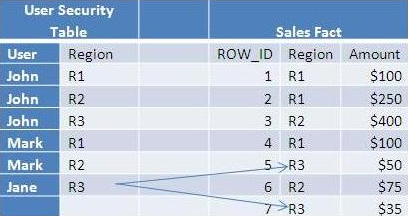
A quick Google search for “Tableau Data Security” returns a link to a Tableau knowledge base article for User Filters and Row Level Security. The knowledge base article clearly lays out the options available for implementing data security – defined as the ability to control what data a user sees. The goal here is to not regurgitate that content, but to examine each of the two data security options laid out by Tableau and determine how they fit various use cases in the enterprise context.

by Manohar Rana
Student Curriculum Analytics provides the critical information required to analyze, support, communicate and plan a...
by Manohar Rana
Student Curriculum Analytics provides the critical information required to analyze, support, communicate and plan a university curriculum effectively. The insight provided by this analysis can help different departments focus on the courses that require more attention, understand their student's enrollments patterns, and evaluate instructional staffing requirements.

by Will Hutchinson
Since 2008, we have experienced a recession with a slow recovery. Organizations have deferred capital spending in order...
by Will Hutchinson
Since 2008, we have experienced a recession with a slow recovery. Organizations have deferred capital spending in order to conserve cash.

by Puneet Aggarwal
Many customers have real-time reporting requirements that are analytic in nature. Essentially, they have a real-time...
by Puneet Aggarwal
Many customers have real-time reporting requirements that are analytic in nature. Essentially, they have a real-time report as a starting point for a more detailed real-time analysis which can go a few levels deep. Shown below is a generic example of one such requirement for Account Analysis.

Happy Halloween From KPI Partners
[Video] Happy Halloween From KPI Partners
The team at KPI wishes you a safe and candy filled...
Happy Halloween From KPI Partners
[Video] Happy Halloween From KPI Partners
The team at KPI wishes you a safe and candy filled Halloween. Here's a snapshot of all the October activity at KPI Partners:
by Shiva Molabanti
Prerequisites:
- OBIEE 11.1.1.7.1 (If your version of Oracle BI EE is not 11.1.1.7.1, download Patch 16556157: OBIEE...
by Shiva Molabanti
Prerequisites:
- OBIEE 11.1.1.7.1 (If your version of Oracle BI EE is not 11.1.1.7.1, download Patch 16556157: OBIEE BUNDLE PATCH 11.1.1.7.1 from My Oracle Support).
- To support Oracle BI Mobile App Designer with Oracle BI Web Catalog, Apply OBIEE 11.1.1.7.1 MLR Patch 17004920.
- Download Oracle BI Mobile App Designer Patch 17220944 from My Oracle Support.
Installation Steps:
- Stop All OBIEE 11G services (Weblogic Admin Server, Managed Server and OPMN services).
- Apply OBIEE 11.1.1.7.1 MLR Patch 17004920 using OPatch Utility.
- Apply Oracle BI Mobile App designer Patch 17220944 using OPatch Utility.
- Deploy the Oracle BI Mobile App Designer (MAD) manually using Weblogic Configuration Assistant as shown below.
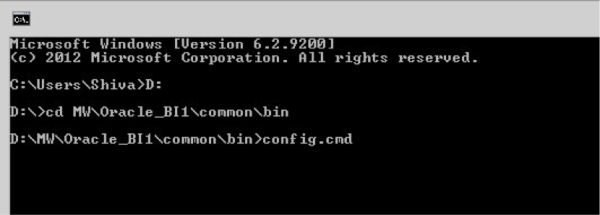
- Open Command prompt window and Navigate to: <MW_HOME>\Oracle_BI1\common\bin
- Run "config.bat" to start the WebLogic Configuration Assistant Tool.
On welcome screen, select ‘"Extend an existing WebLogic domain" and click "Next."


by Prashanth Ashwathram
Making a business intelligence (BI) project successful is a daunting task in itself not just because of the complexity and tools involved, but because it requires cooperation from different functional groups, multiple source systems, and gaining user acceptance from groups of users that are often resistant to change.
The challenges add on further when the BI projects are planned to be executed in an onshore-offshore model. There are obviously many positives and benefits from this approach which can make this model a highly successful provided we follow some of the best practices.
by Ron Cruz
One of the challenges facing our clients is a disjointed landscape for their customer-facing business intelligence tools. This doesn’t happen in finance as everyone knows where the end product goes (CFO), nor does it happen much in product development. When it comes to customer analytics, many companies struggle with disjointed systems and difficulty getting the data they want. The sentence of, “I think we have that data….somewhere,” is often uttered at companies that have these issues.
by Parul Singh
The need for robust reporting and a structured enterprise data warehouse for educational institutions is becoming a necessity. This type of modern architecture empowers academic institutions with best-in-class reporting and analytic capabilities to increase faculty, staff and student productivity; streamline operations and institutional advancement; and ensure student success.
There are a few key star schemas that can aid universities and their stakeholders to make informed decisions and deliver a better student experience:
by Madan Thota
Endeca Information Discovery (EID) is a data discovery tool that helps business analysts to rapidly explore relevant data. If you are already using Oracle Business Intelligence Enterprise Edition (OBIEE) and wish to reuse the BI data models from Endeca Information Discovery, here are the options. The primary difference between both tools is that one is used for pre-defined analytics while the other is used for having a conversation with your data (analytics vs information discovery). The overall goal for both approaches is to get the most value out of the data available.
by Kumar Krishnaswamy
A quick Google search for “Tableau Data Security” returns a link to a Tableau knowledge base article for User Filters and Row Level Security. The knowledge base article clearly lays out the options available for implementing data security – defined as the ability to control what data a user sees. The goal here is to not regurgitate that content, but to examine each of the two data security options laid out by Tableau and determine how they fit various use cases in the enterprise context.
by Manohar Rana
Student Curriculum Analytics provides the critical information required to analyze, support, communicate and plan a university curriculum effectively. The insight provided by this analysis can help different departments focus on the courses that require more attention, understand their student's enrollments patterns, and evaluate instructional staffing requirements.
by Will Hutchinson
Since 2008, we have experienced a recession with a slow recovery. Organizations have deferred capital spending in order to conserve cash.
by Puneet Aggarwal
Many customers have real-time reporting requirements that are analytic in nature. Essentially, they have a real-time report as a starting point for a more detailed real-time analysis which can go a few levels deep. Shown below is a generic example of one such requirement for Account Analysis.
Happy Halloween From KPI Partners
[Video] Happy Halloween From KPI Partners
The team at KPI wishes you a safe and candy filled Halloween. Here's a snapshot of all the October activity at KPI Partners:
by Shiva Molabanti
Prerequisites:
- OBIEE 11.1.1.7.1 (If your version of Oracle BI EE is not 11.1.1.7.1, download Patch 16556157: OBIEE BUNDLE PATCH 11.1.1.7.1 from My Oracle Support).
- To support Oracle BI Mobile App Designer with Oracle BI Web Catalog, Apply OBIEE 11.1.1.7.1 MLR Patch 17004920.
- Download Oracle BI Mobile App Designer Patch 17220944 from My Oracle Support.
Installation Steps:
- Stop All OBIEE 11G services (Weblogic Admin Server, Managed Server and OPMN services).
- Apply OBIEE 11.1.1.7.1 MLR Patch 17004920 using OPatch Utility.
- Apply Oracle BI Mobile App designer Patch 17220944 using OPatch Utility.
- Deploy the Oracle BI Mobile App Designer (MAD) manually using Weblogic Configuration Assistant as shown below.
- Open Command prompt window and Navigate to: <MW_HOME>\Oracle_BI1\common\bin
- Run "config.bat" to start the WebLogic Configuration Assistant Tool.
On welcome screen, select ‘"Extend an existing WebLogic domain" and click "Next."
