


by Balaswamy Kaladi
In today’s world of big data, analytics, and data warehousing, data volumes continue to grow, seemingly only matched...

by Balaswamy Kaladi
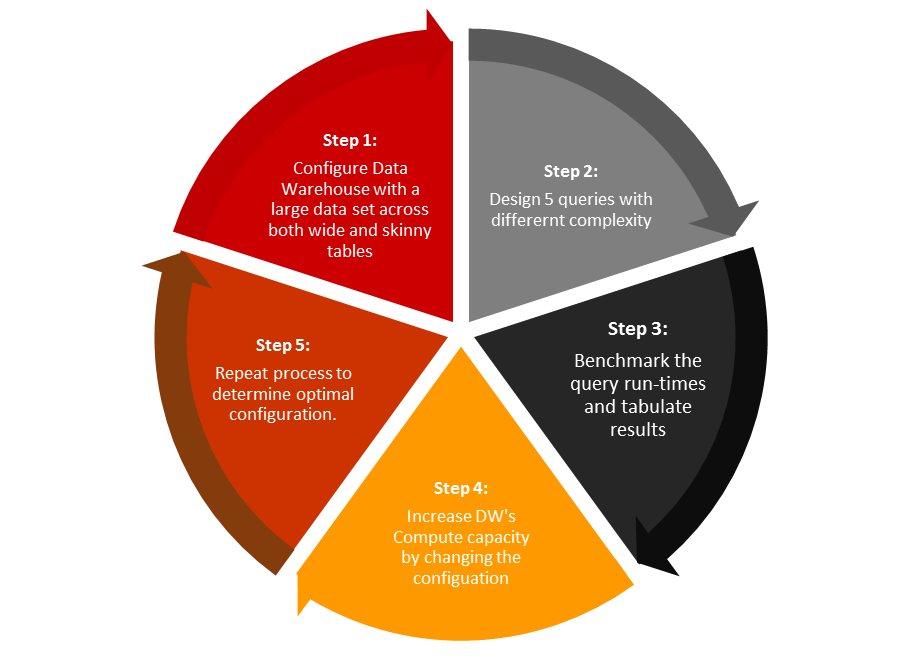
In today’s world of big data, analytics, and data warehousing, data volumes continue to grow, seemingly only matched by businesses’ appetite to exploit data for commercial advantage, and do so ever more quickly.
Historically, to deal with the kind of large data volumes that are now becoming commonplace, expensive and heavyweight technologies from vendors such as Teradata, Netezza and Vertica were needed. These typically cost millions of dollars, and required hardware, software, and consulting.
by Ron Cruz
Thinking of moving to a cloud based data warehouse platform? Here’s what you need to evaluate and learn how to do it.
by Ron Cruz
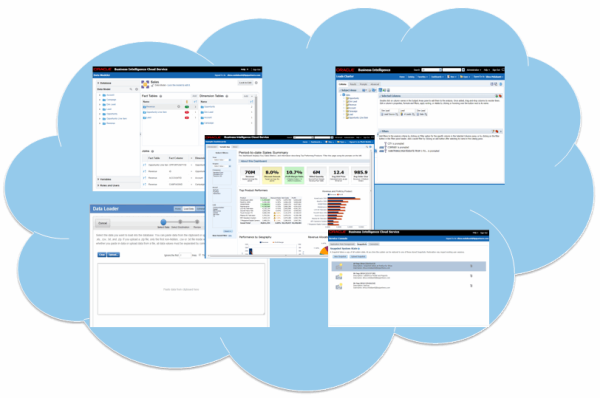
Thinking of moving to a cloud based data warehouse platform? Here’s what you need to evaluate and learn how to do it.
_3-resized-600.gif)
by Ksheetij Dongre
Migrating Code from Development to Production in the Cloud
The cost of cloud migration is not cheap but the promise is...
by Ksheetij Dongre
Migrating Code from Development to Production in the Cloud
The cost of cloud migration is not cheap but the promise is that the company will acheive a significant return on investment over the long haul. The objective of this article is to help us understand how to setup Development and Production environments in the cloud, specifically regarding these components of a data warehouse (DW):
by Potnuru Hatakesh
Adoption of "The Cloud" is growing significantly as more a enterprises start to see and experiencing the value in...
by Potnuru Hatakesh
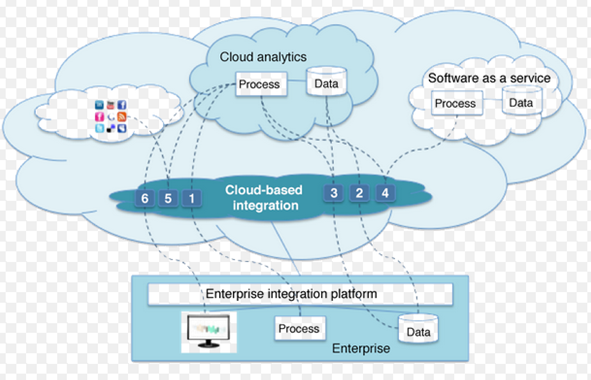
Adoption of "The Cloud" is growing significantly as more a enterprises start to see and experiencing the value in agility, scalability, and cost savings.

by Avinash Mohan
Exploring the different ways Tableau connects to data and whether dimensional modeling is necessary when using Tableau’s...
by Avinash Mohan
Exploring the different ways Tableau connects to data and whether dimensional modeling is necessary when using Tableau’s architecture.
Architecture
Tableau has two primary ways to connect to data sources and work with them as shown in this simplified architecture diagram shown below .

by Parul Singh
The need for robust reporting and a structured enterprise data warehouse for educational institutions is becoming a...
by Parul Singh
The need for robust reporting and a structured enterprise data warehouse for educational institutions is becoming a necessity. This type of modern architecture empowers academic institutions with best-in-class reporting and analytic capabilities to increase faculty, staff and student productivity; streamline operations and institutional advancement; and ensure student success.
There are a few key star schemas that can aid universities and their stakeholders to make informed decisions and deliver a better student experience:

by Puneet Aggarwal
Many customers have real-time reporting requirements that are analytic in nature. Essentially, they have a real-time...
by Puneet Aggarwal
Many customers have real-time reporting requirements that are analytic in nature. Essentially, they have a real-time report as a starting point for a more detailed real-time analysis which can go a few levels deep. Shown below is a generic example of one such requirement for Account Analysis.
by Sridhar Kasthuri
A key component to any Business Intelligence (BI) Architecture is the Extract, Translate and Load (ETL) process. The...
by Sridhar Kasthuri
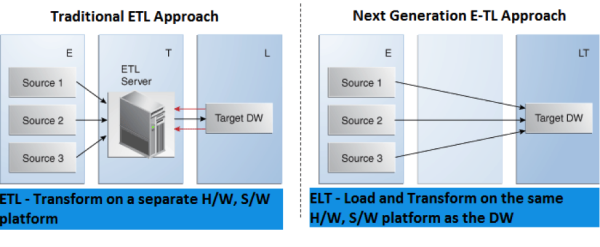
A key component to any Business Intelligence (BI) Architecture is the Extract, Translate and Load (ETL) process. The ETL process is typically scheduled on a daily basis and is capable of data movement from legacy systems into a data warehouse. It is also used to facilitate the work of the database administrators who connect different branches of databases as well as integrate or change the existing databases.
by Veera Reddy Ramidi
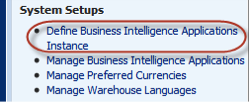
This blog introduces and explains the detailed step by step process for executing the Domain Load to Business...
by Veera Reddy Ramidi
This blog introduces and explains the detailed step by step process for executing the Domain Load to Business Analytics Warehouse. Here, we are illustrating for the Student information Analytics data using the new OBIA 11g which is supported only for PeopleSoft 9.0 Campus Solutions. This blog can be used similarly for any other Analytics using OBIA 11g.
by Sharath Venkataranga
The most common question faced by any ETL developer or a Data Warehouse project implementer is always related to...
by Sharath Venkataranga
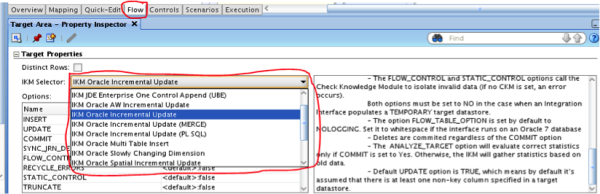
The most common question faced by any ETL developer or a Data Warehouse project implementer is always related to performance. Whatever the tool may be, and however fast the job may be running, the end user will always desire something which is a little faster and quicker.


by Balaswamy Kaladi
In today’s world of big data, analytics, and data warehousing, data volumes continue to grow, seemingly only matched by businesses’ appetite to exploit data for commercial advantage, and do so ever more quickly.
Historically, to deal with the kind of large data volumes that are now becoming commonplace, expensive and heavyweight technologies from vendors such as Teradata, Netezza and Vertica were needed. These typically cost millions of dollars, and required hardware, software, and consulting.
by Ron Cruz
Thinking of moving to a cloud based data warehouse platform? Here’s what you need to evaluate and learn how to do it.
by Ksheetij Dongre
Migrating Code from Development to Production in the Cloud
The cost of cloud migration is not cheap but the promise is that the company will acheive a significant return on investment over the long haul. The objective of this article is to help us understand how to setup Development and Production environments in the cloud, specifically regarding these components of a data warehouse (DW):
by Potnuru Hatakesh
Adoption of "The Cloud" is growing significantly as more a enterprises start to see and experiencing the value in agility, scalability, and cost savings.
by Avinash Mohan
Exploring the different ways Tableau connects to data and whether dimensional modeling is necessary when using Tableau’s architecture.
Architecture
Tableau has two primary ways to connect to data sources and work with them as shown in this simplified architecture diagram shown below .
by Parul Singh
The need for robust reporting and a structured enterprise data warehouse for educational institutions is becoming a necessity. This type of modern architecture empowers academic institutions with best-in-class reporting and analytic capabilities to increase faculty, staff and student productivity; streamline operations and institutional advancement; and ensure student success.
There are a few key star schemas that can aid universities and their stakeholders to make informed decisions and deliver a better student experience:
by Puneet Aggarwal
Many customers have real-time reporting requirements that are analytic in nature. Essentially, they have a real-time report as a starting point for a more detailed real-time analysis which can go a few levels deep. Shown below is a generic example of one such requirement for Account Analysis.
by Sridhar Kasthuri
A key component to any Business Intelligence (BI) Architecture is the Extract, Translate and Load (ETL) process. The ETL process is typically scheduled on a daily basis and is capable of data movement from legacy systems into a data warehouse. It is also used to facilitate the work of the database administrators who connect different branches of databases as well as integrate or change the existing databases.
by Veera Reddy Ramidi
This blog introduces and explains the detailed step by step process for executing the Domain Load to Business Analytics Warehouse. Here, we are illustrating for the Student information Analytics data using the new OBIA 11g which is supported only for PeopleSoft 9.0 Campus Solutions. This blog can be used similarly for any other Analytics using OBIA 11g.
by Sharath Venkataranga
The most common question faced by any ETL developer or a Data Warehouse project implementer is always related to performance. Whatever the tool may be, and however fast the job may be running, the end user will always desire something which is a little faster and quicker.
