Author: Prashanth Ashwathram: Vice President- Technology & Consulting
When a company moves its HR operations onto a modern, cloud-based HCM platform, there’s a common and understandable expectation that follows: the platform should run HR operations, payroll, talent management, and employee records extremely well.
Being excellent at operations is a different job from being an enterprise analytics backbone, and most HCM platforms were never designed to do the second thing at scale. That gap doesn't show up on day one. It shows up months or years later, once workforce complexity grows and executive leadership starts asking for the kind of consistent, cross-domain visibility that native reporting simply wasn't built to deliver.
This is the situation a global biotechnology enterprise found itself in, detailed in KPI Partners' case study, Breaking Free from Workday's Reporting Limitations.
With more than 10,000 employees and roughly $5 billion in annual revenue, the organization had transitioned its HR operations onto a modern cloud HCM platform as its system of record. The gap it ran into was one that eventually reached the CHRO, the VP of HR, and HR analytics leadership directly, since it was their ability to answer basic executive workforce questions that was on the line, not just a reporting inconvenience further down the organization chart.
The result: 60% faster month-end Census processing, 50%+ lower operational overhead, and executive workforce dashboards HR leadership could trust. It's also a useful case for any HR or IT leader who has made a similar transition and is now discovering that native reporting, however good the underlying system is, has a ceiling.
The Business Reality: An Excellent System of Record, an Incomplete Analytics Story
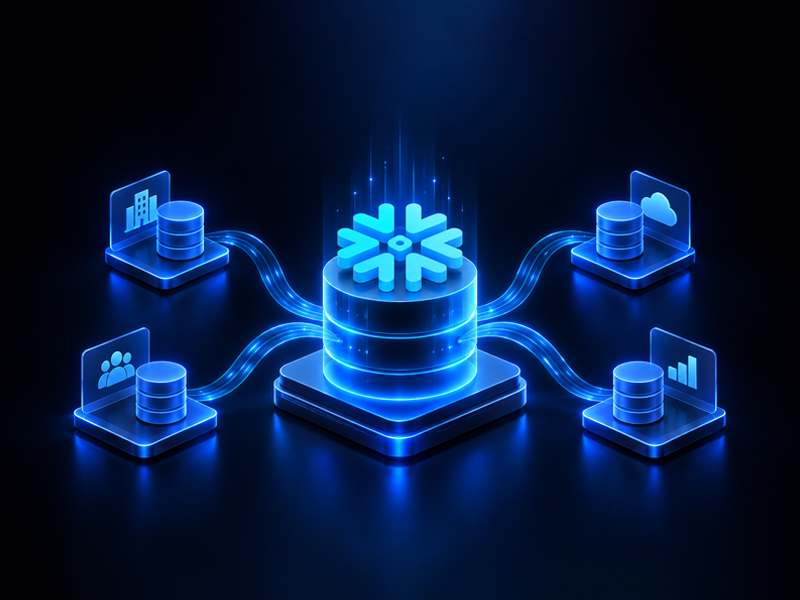
The HCM platform itself worked exactly as intended. It managed employees, payroll, and talent processes effectively at scale. The problem was everything still sitting around it. Workforce data remained distributed across an aging patchwork of legacy tools, older HR databases, custom ETL pipelines, semantic modeling layers, and reporting components that had accumulated over years, none of which were built to work together or to scale with the organization's growth.
That fragmentation showed up in very concrete ways for HR and executive leadership:
- Month-end Census reporting required manual intervention and specialized expertise every single cycle
- DE&I and Census metrics were calculated differently depending on the source, requiring reconciliation before executive distribution
- Reporting cycles ran slower than business expectations, leaving leadership working from workforce data that was already dated by the time it reached them
- Manual effort and technical complexity kept increasing operational risk rather than reducing it
Meanwhile, the broader organization had standardized its analytics strategy on Azure Databricks and Power BI. HR reporting sat outside that strategy entirely, dependent on legacy tools and disconnected from how the rest of the enterprise made decisions.
Why "Push the Platform Harder" Was Never the Right Answer
Faced with these limitations, the natural instinct is to look for more out of the HCM platform itself, deeper custom reports, more advanced native transformations, tighter workarounds to force enterprise-scale analytics out of a system built for HR operations. That instinct runs into a hard ceiling. Custom transformation capability inside most operational HCM platforms is intentionally limited, because the platform's job is to run HR processes reliably, not to serve as a flexible enterprise data warehouse.
The other common instinct is to treat this as a reason to reconsider the HCM platform itself, as though the reporting gap were evidencing the wrong system had been chosen. That instinct is just as misplaced. The platform was doing exactly what it was selected to do. The real gap was that nothing existed to extend its data into the kind of governed, scalable analytics layer the rest of the organization already expected.
Building a Governed Analytics Layer Beyond the HR System of Record
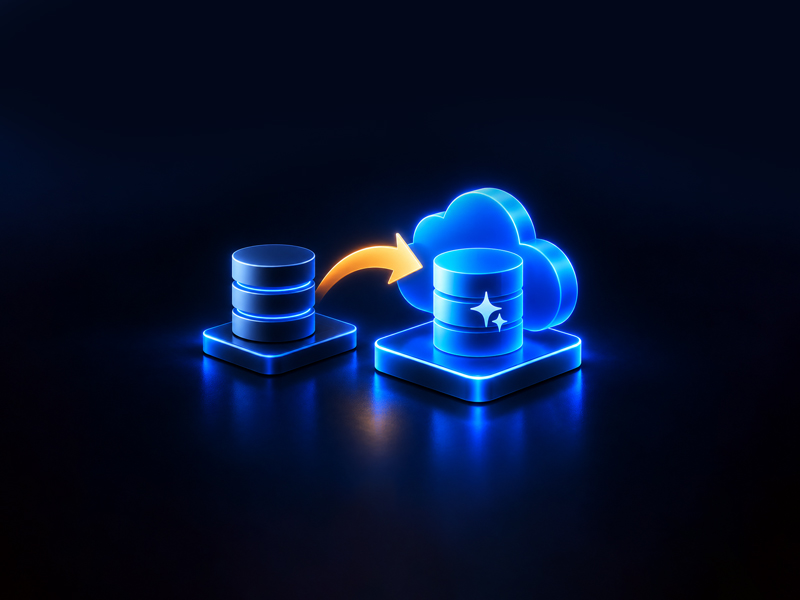
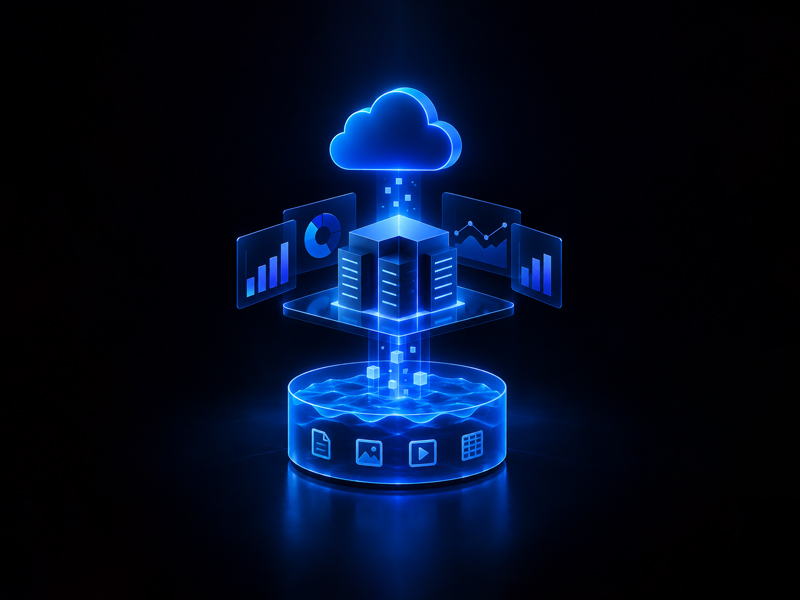
The approach taken here left the HCM platform exactly where it was, as the operational system of record, and built a centralized analytics layer on top of it using Azure Databricks. Automated ingestion pipelines brought HR data out of the operational system and into a governed environment, where a standardized HR business model unified DE&I and Census reporting logic into a single framework instead of several reconciled by hand.
Reporting was also extended beyond core workforce data into Recruiting, Absence, and Performance domains, giving HR a broader, more consistent view without adding new operational systems to manage.
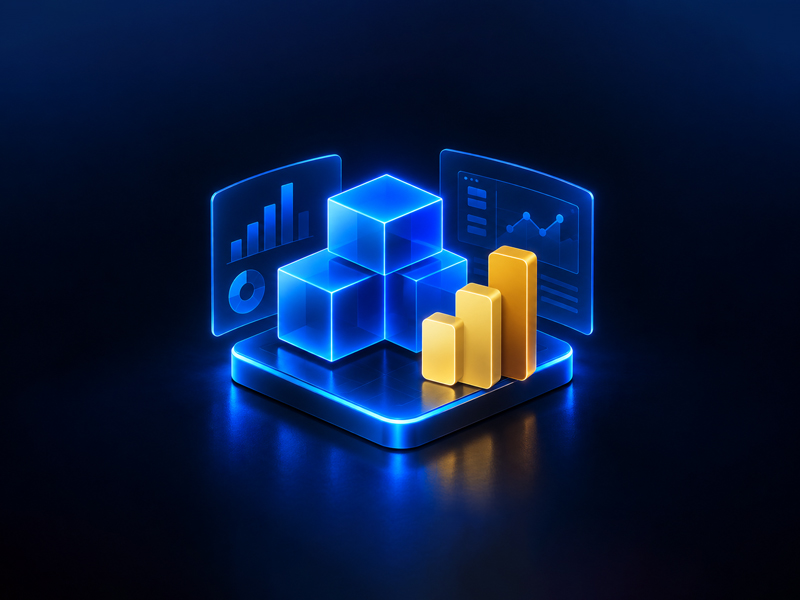
Executive dashboards were rebuilt in Power BI, optimized for performance and aligned with the same analytics standards the rest of the enterprise already used. As the new environment came online, the legacy reporting tools it replaced, including older ETL pipelines, on-premises databases, and semantic modeling layers that had accumulated over time, were fully retired.
Rather than building this governed HR data model from scratch, the project used KPI Partners' Enterprise Analytics Accelerator, which provided a pre-built extract-load-transform framework, a pre-built orchestration layer, and an extendable business intelligence layer purpose-built for HCM data, substantially shortening the path from raw HR data to trusted executive reporting. The accelerator gave the team a reusable foundation for HCM data ingestion, orchestration, modeling, and BI, allowing the project to focus on the organization’s specific workforce metrics and executive reporting needs.
What the Numbers Show
Month-end Census processing time dropped by 60 percent, turning what had been a manual, expertise-dependent monthly scramble into a reliable, automated workflow.
Operational overhead declined by more than 50 percent, driven by retiring legacy systems and automating processes that had previously required manual intervention every cycle.
Legacy reporting infrastructure was fully decommissioned, eliminating redundant licensing and maintenance costs along with the complexity of keeping multiple disconnected tools running in parallel.
Beyond the metrics, the qualitative shift mattered just as much.
Executive dashboards became something leadership could actually rely on, rather than numbers that needed reconciliation before every distribution. HR analytics moved from a reactive, manual function to a governed, scalable capability aligned with how the rest of the enterprise already used data.
Does This Pattern Sound Familiar?
This pattern tends to show up when an organization's HR or operational platform is working well by every operational measure, but leadership still can't get consistent answers to basic workforce questions.
It's worth paying attention to this gap when your team spends real time each month reconciling numbers across systems before an executive report goes out, when DE&I and headcount figures don't match depending on who pulled them, when IT becomes the bottleneck every time HR needs a new report, or when the rest of the business has already standardized on a modern analytics platform that HR reporting still sits outside of.
The Broader Lesson for Any Operational Platform
This pattern extends well beyond HR, and well beyond any single HCM vendor. The same gap shows up around CRM platforms, ERP systems, and any modern SaaS application that runs a critical business process extremely well without being designed as an enterprise analytics platform. The system isn't failing. It's simply being asked to do a job it was never built for.
The more durable path is the one taken here: leave the operational system of record doing what it does best and build a governed analytics layer that extends its data into the enterprise's broader analytics strategy, rather than trying to force analytics capability out of a platform built for something else, or replacing a system that's working exactly as intended.
For any HR or IT leader facing a similar gap between an operational platform and enterprise analytics, the question worth asking isn't whether the platform needs to change. It's whether the data trapped inside it has a governed way out.
See How This Played Out, Step by Step
Read the full case study, Breaking Free from Workday's Reporting Limitations, to see how KPI Partners helped a global biotechnology enterprise extend Workday into a governed HR analytics platform on Azure Databricks and Power BI.